
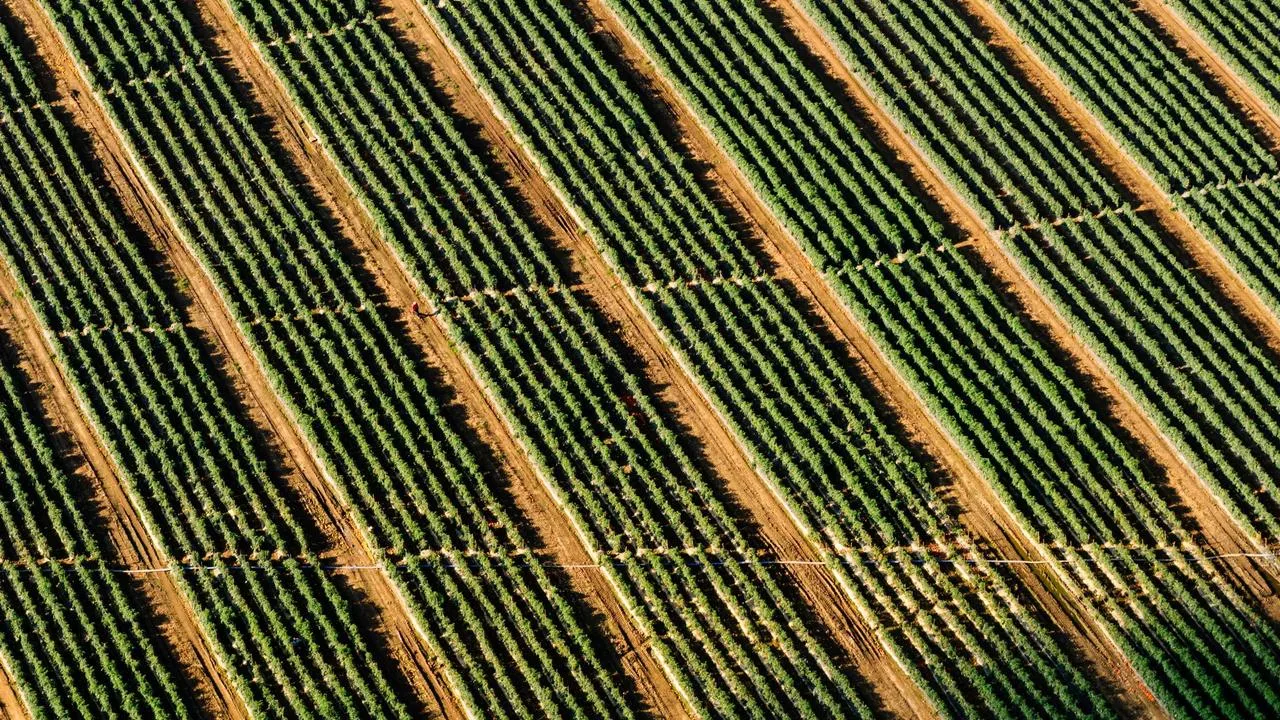
You show up, the view is gorgeous, someone hands you a glass of something you can’t pronounce, and suddenly you’re nodding like you totally understand what “notes of dried cherry with a hint of leather” means. Sound familiar?
Local vineyard tours and tastings can be genuinely wonderful — I’ll say that upfront. But I’d be doing you a disservice if I didn’t also mention that they can go sideways fast if you walk in unprepared. I’ve been to a few that felt more like a sales pitch than an experience, and one that had me standing in the hot sun for 45 minutes waiting for a “tour” that turned out to be a two-minute walk between two buildings. Not exactly what I signed up for.
So here’s a practical, honest guide to making the most of them.
Start With the Right Expectations
Not all vineyard tours are created equal. Some are intimate, hands-on, and genuinely educational. Others are glorified tastings with a short walk thrown in. Neither is necessarily bad — but you should know which one you’re getting before you drive an hour out of town.
Before booking, ask a few specific questions:
- Does the tour include the actual vineyard, or just the tasting room?
- How many people will be in the group?
- Is food included, or is it add-on?
- Is there a seated component, or is it all standing?
These questions sound basic, but they matter. A lot. Especially if you’re going with someone who has mobility concerns, or if you’re hoping for a quieter, more personal experience rather than a crowd of twenty people jostling for elbow room at a countertop.
If you’re still figuring out where to even start, this guide on how to find the best wine tasting rooms near you breaks it down really well — particularly the part about not wasting a whole Saturday on the wrong place.
Pick the Season Intentionally
Here’s something people often overlook: timing matters more than you’d think. Harvest season (usually late summer through fall, depending on your region) is dramatic and beautiful — but also crowded and sometimes rushed because the winery staff is, understandably, focused on the harvest itself. Spring visits tend to be quieter, greener, and often more relaxed in terms of staff attention.
Lihat juga: Planning a Private Party at a Local Winery? Here's What to Actually Expect (and Watch Out For)
Personally, I’m more drawn to off-peak visits. Not because I’m antisocial (well, a little), but because you actually get to talk to the people pouring your wine. That conversation is often where the real value is — the winemaker who mentions they almost lost the Syrah batch that year, or the tasting room manager who quietly steers you toward the wine that isn’t on the menu. That stuff doesn’t happen when there’s a queue out the door.
During the Tasting: A Few Things Worth Knowing
You don’t need to be an expert. Really. But a few small habits make the experience richer.
Slow down between pours. Most people rush through tastings because they feel awkward holding a glass and not drinking. Resist that. Take a moment. Smell it first (I know it sounds pretentious, but there’s actual science behind why this matters — your nose picks up way more than your tongue does).
Spit if you need to. Spitting is completely normal at professional tastings. If you’re doing six or eight wines and you drove yourself, this isn’t optional — it’s responsible. There’s no judgment. Good wineries expect it and have dump buckets for exactly this reason.
Ask dumb questions. Or what feel like dumb questions. “What’s the difference between this and the one we just tried?” is a perfectly valid thing to say. The staff would genuinely rather answer that than watch you nod politely and not absorb anything.
And if the tasting includes a food pairing element — which, honestly, tends to elevate the whole experience significantly — pay attention to how the food changes what you taste in the wine. It’s kind of surprising the first time you notice it. This piece on local wine and cheese pairing events gets into this pretty thoughtfully, including why not all pairing events are worth your time (spoiler: they’re not).
The Tour Itself — What to Actually Look For
If the vineyard walk is part of your experience, use it. Don’t just trail behind the guide taking photos for Instagram (okay, take a few photos — the light between vine rows is genuinely cinematic in the right season). But also look at the vines themselves.
Ask the guide how old the vines are. Older vines produce less fruit, but what they do produce tends to be more concentrated, more complex. There’s something almost melancholy about a gnarled, ancient vine that’s been tended for decades. It’s the kind of thing that makes a glass of wine feel like it has a story behind it — because it does.
Some vineyards are situated on historic land, which adds another layer entirely. If that kind of context interests you, it’s worth reading about historic properties with vineyards — the way old land and old vines share a kind of memory is genuinely fascinating, and knowing that going in changes how you experience a visit.
A Honest Note on Buying Wine at the End
You will feel some pressure to buy. Maybe subtle, maybe not. I want to acknowledge that upfront because pretending it doesn’t exist would be dishonest.
Most small local wineries depend on direct-to-consumer sales — the tasting room is often their primary revenue stream. So the “buy something” expectation is real and, honestly, understandable. But here’s the thing: you are not obligated. If you loved a wine, buying a bottle is a nice way to support a small producer. If you didn’t connect with anything, a polite “I’ll think about it” is completely fine.
Terkait: Rustic Winery Wedding Venues: Beautiful, Yes — But Here's What Nobody Warns You About
Don’t let guilt drive your wallet. That’s not a good reason to spend forty dollars on a Cabernet you weren’t sure about.
One Last Thing Before You Go
Make a plan, but hold it loosely. The best vineyard visits I’ve had involved some spontaneity — wandering a bit further down the vine row than the tour went, staying to ask a question after the group moved on, or just sitting with a glass and not rushing anywhere. You paid for the experience. Let it breathe a little.
Local vineyard tours and tastings can be genuinely memorable — the kind of afternoon you talk about later. But that usually happens when you go in curious, ask real questions, and don’t try to perform expertise you don’t have yet.
Pertanyaan yang Sering Diajukan (FAQ)
Do I need to know a lot about wine before going on a vineyard tour?
Not at all — and honestly, going in without too much prior knowledge can work in your favor. You'll ask more genuine questions and stay more open to what you're actually tasting, rather than trying to match what you experience to what you think you're supposed to taste.
How long do local vineyard tours and tastings usually take?
It varies quite a bit. A straightforward tasting-room experience might be 45 minutes to an hour. A full tour with a vineyard walk, a sit-down tasting, and a food pairing can stretch to two or three hours — so check ahead, especially if you've got plans after.
Is it rude to spit during a wine tasting?
No, and any reputable tasting room will have a dump bucket for exactly this reason. If you're pacing yourself through multiple wines (or driving home), spitting is practical and perfectly normal — the staff won't blink.
Lihat juga: What to Wear to a Vineyard Tasting (Honest Advice, No Fluff)