
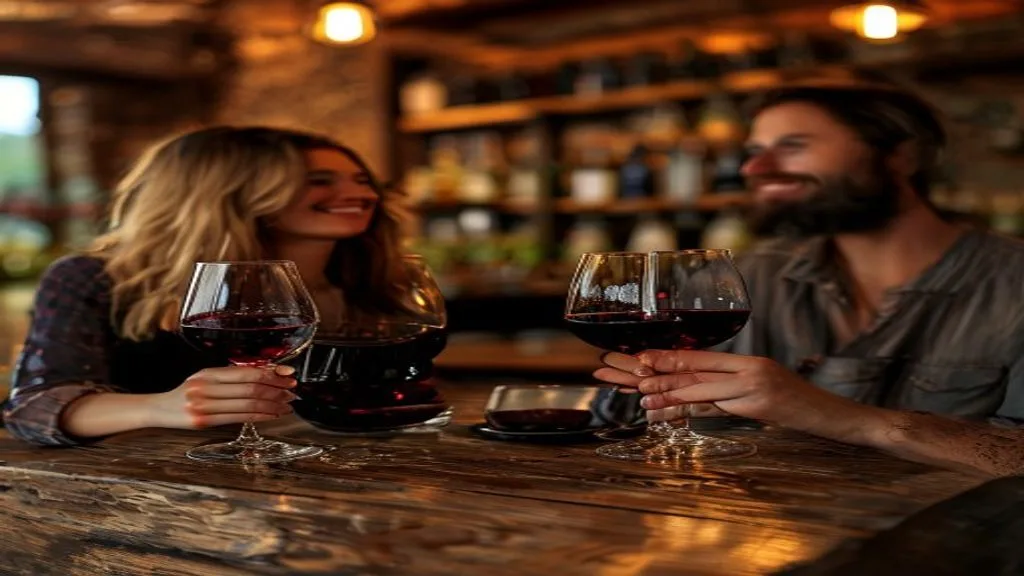
Most people assume wine tasting is expensive by default. Like it’s some unspoken rule that the moment you step onto a vineyard, your wallet takes the hit. And honestly? That assumption isn’t entirely wrong. But it’s not the full picture either.
Affordable wine tasting packages exist. They’re real, they’re accessible, and — when chosen well — they genuinely deliver. The catch (and there’s always a catch) is that “affordable” doesn’t automatically mean “good value.” Those are two different things, and treating them as the same is how you end up disappointed on a Saturday afternoon.
What You’re Actually Paying For
Think of a wine tasting package like a curated playlist versus shuffling a random radio station. You could just show up at a winery without a package, pay per glass, and wing it. Some people do. But a package bundles the experience — usually a set number of pours, sometimes a guided flight, maybe a souvenir glass or a small food pairing — into one upfront price that’s predictably lower than going à la carte.
Packages start low. Some wineries offer entry-level tastings for $15–$25 per person. Others go higher, sometimes $50+, especially if food is involved. The price range is wider than people expect.
Here’s what I’ve noticed: the mid-range packages — somewhere around $25–$40 — tend to hit the sweet spot. Not so basic that you’re only getting three tiny pours and a pamphlet, but not so padded with extras that you’re paying for things you didn’t want. Personally, I prefer packages that include a guided component (someone walking you through the wines) over ones that just hand you a menu and let you figure it out alone. The guidance is where the actual value lives. Without it, you’re mostly just drinking.
The Honest Case For Booking in Advance
Walk-in availability is shrinking. More wineries — especially smaller, boutique ones — are moving toward reservation-only models, and their package slots fill up faster than you’d think, particularly on weekends. Waiting is a gamble.
Booking ahead also tends to unlock better pricing. Early-bird or pre-purchased packages almost always cost less than the same experience booked day-of. It’s the same logic as buying concert tickets early versus at the door. The urgency here isn’t manufactured — it’s just math.
If you’re serious about making a day of it and not wasting a drive, this guide on how to find the best wine tasting rooms near you is worth reading before you commit to any specific winery. Scouting before booking saves both money and disappointment.
What People Get Wrong About “Affordable”
Budget packages sometimes get dismissed as lesser experiences. That’s a bias worth pushing back on. A $20 tasting at a smaller regional winery can be more memorable — and more educational — than a $60 experience at a heavily marketed destination spot where you’re herded through in groups of thirty.
The size of the winery matters less than the quality of the host. I’ve been to high-end tastings that felt transactional and low-cost ones that felt genuinely warm and personal. Price is a loose indicator at best.
That said — and I want to be honest here — you do get what you pay for in one specific way: the range of wines. The cheapest packages usually limit you to two or three wines, often entry-level offerings. If you’re hoping to try the reserve selections or older vintages, you’ll likely need to upgrade or pay separately. Worth knowing upfront so you’re not surprised.
Also: check whether the tasting fee is waivable with a bottle purchase. Many wineries do this. It turns an affordable package into a near-free experience if you were planning to buy anyway. (Which, let’s be honest, most people end up doing.)
Getting More From the Experience
Here’s where most people leave money on the table — not financially, but experientially. A tasting is only as useful as your ability to remember what you tasted. If you’re going through six wines in forty-five minutes without writing anything down, those impressions evaporate fast.
Learning to take even basic notes transforms an afternoon of sipping into something you can actually build on. This breakdown on how to write wine tasting notes approaches it practically — no pretentious vocabulary required, which I appreciate. It’s the kind of skill that makes any tasting package, regardless of price point, feel like it paid for itself.
The other thing people underestimate? What they wear. This sounds trivial but it genuinely affects how relaxed you feel, especially at outdoor vineyard settings where weather and terrain vary. There’s actually solid practical advice on vineyard tasting attire that avoids the usual fluff — it’s more about comfort and practicality than looking the part.
So Is It Worth Booking One?
Yes. With conditions.
If you’re treating a package as a shortcut to looking sophisticated without actually engaging — probably not the best use of anyone’s time or money. But if you go in curious, ask questions during the tasting, take a few notes, and pick a winery that matches what you’re looking for? An affordable wine tasting package is genuinely one of the better value-for-experience options out there for a day activity.
It’s not a luxury you’re stretching for. It’s a structured, low-risk way to explore something you might end up loving. That’s worth $25. Probably more.
Pertanyaan yang Sering Diajukan (FAQ)
Are affordable wine tasting packages actually worth the money, or are they watered-down experiences?
Generally worth it, especially at smaller wineries where the experience tends to be more personal. The key is reading what's included before booking — a $20 package with a guided component often beats a $50 one that's self-guided and rushed.
Can I share a wine tasting package with someone else?
Usually no — packages are priced per person, and most wineries are pretty upfront about that. Some offer group discounts though, so if you're going with four or more people, it's worth asking before you book.
What's the best way to compare wine tasting packages before committing?
Look at the number of pours, whether guidance is included, and whether the fee applies toward a bottle purchase. Those three factors tell you more about actual value than the price alone.