
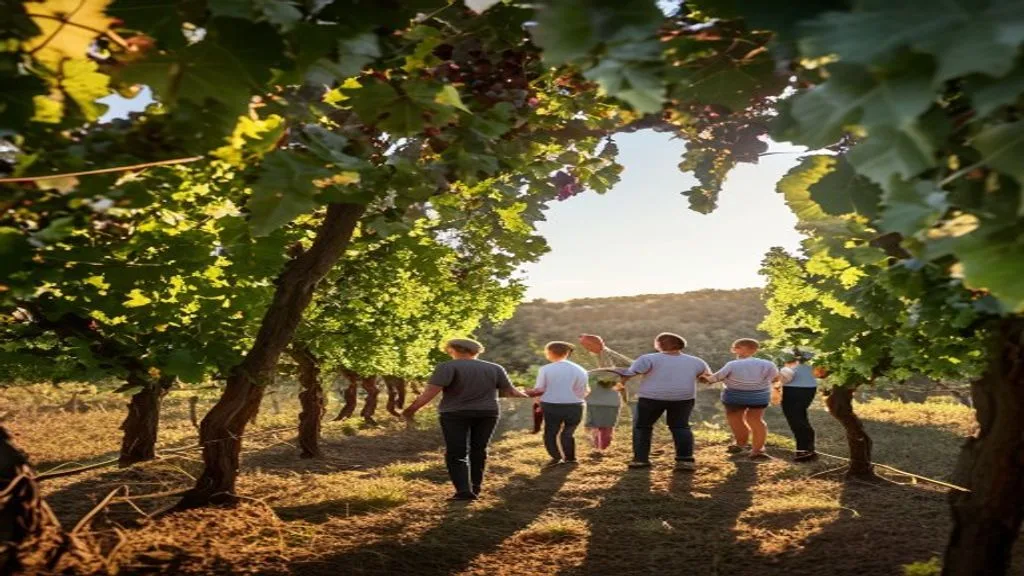
A friend of mine came back from a vineyard tour last spring absolutely disappointed. She’d imagined herself strolling between lush rows of vines, glass in hand, a knowledgeable guide whispering the secrets of terroir into her ear. What she actually got was a fifteen-minute shuffle along a gravel path, a rushed explanation about “the fermentation process,” and a hard pivot into the tasting room to, quote, “browse available bottles.”
Sound familiar? It should. Because guided vineyard walking tours have this peculiar gap between how they’re marketed and what they actually deliver — and most people don’t figure that out until they’re already there, slightly sunburned, mildly confused, and wondering why they paid extra for the “premium experience.”
I’m not saying the tours are bad. I’m saying most visitors don’t know how to use them properly.
The Tour Itself Is Only Half the Value
Here’s what people miss: a guided vineyard walk isn’t a passive spectacle. It’s a conversation starter. The guide’s script — however polished — is just the opening bid. The actual value comes from asking the right questions at the right moment. What rootstock do they use? How do they manage frost risk in early spring? What does this specific block taste like compared to the one on the other side of the hill?
Most visitors stand quietly and nod. Then they’re surprised when the tour feels shallow. (I’ve done this too, so this isn’t judgment — just pattern recognition.)
If you want to actually get something out of it, read up before you go. Even thirty minutes of basic viticulture research changes everything about how you absorb what the guide is saying. How to Actually Enjoy Local Vineyard Tours and Tastings (Without Feeling Lost or Pressured to Buy) covers this well — particularly the part about managing the social pressure to purchase, which is real and nobody talks about honestly enough.
What Makes a Walking Tour Worth It (Specifically)
Not all guided vineyard walking tours are equal. Obviously. But the distinguishing factor isn’t usually the vineyard’s prestige or how photogenic the landscape is — it’s whether the guide actually works the land.
Personally, I prefer tours led by someone who’s spent time pruning, harvesting, or managing canopy. Not a hospitality hire who memorized a script. You can usually tell within the first two minutes — does this person talk about the vines like they know them individually, or do they talk about “the vineyard” like a real estate brochure?
According to Wine Spectator’s travel coverage, the most memorable vineyard experiences tend to involve direct access to working winemakers or viticulturists — not just polished front-of-house staff. That tracks with everything I’ve seen firsthand.
The physical walk itself matters too. How long? Over what terrain? What time of day? Morning walks through the vines hit differently than afternoon ones — the light is better, the air is cooler, and the guide hasn’t repeated the same stories six times yet. And yes, what you wear actually affects how much you enjoy it. What to Wear to a Vineyard Tasting (Honest Advice, No Fluff) addresses the footwear situation in particular, which people consistently underestimate.
A Note on the “Romantic” Framing
There’s a version of vineyard tourism that’s been heavily aestheticized — the rustic charm, the golden light, the idea that a vineyard setting automatically elevates any occasion. Which isn’t wrong exactly, but it creates unrealistic expectations.
This comes up a lot in winery event planning too. Rustic Winery Wedding Venues: Beautiful, Yes — But Here’s What Nobody Warns You About makes a similar point about the gap between aesthetic appeal and practical reality. The walking tour version of this problem: people are so focused on getting the right photo between the vine rows that they stop actually listening to what’s being explained.
Is the vineyard beautiful? Usually, yes. Is that beauty the point? Not if you want to walk away knowing something you didn’t before.
The Bottom Line
Guided vineyard walking tours deliver real value — but they reward preparation and curiosity, not passive consumption. Show up informed. Ask questions. Choose tours led by people who actually farm the land. And maybe accept that the experience you’ll remember most isn’t the one that looked best on camera.
That’s the honest version. Take it or leave it.
Pertanyaan yang Sering Diajukan (FAQ)
How long should a good guided vineyard walking tour be?
Anywhere from 45 minutes to 90 minutes is reasonable — long enough to cover different blocks and have real conversation, short enough that you're not dragging by the end. Anything under 30 minutes is usually just a path to the tasting room, not a genuine tour.
Do I need to know about wine before going on a guided vineyard walk?
You don't need expertise, but some basic knowledge genuinely helps. Even understanding the difference between varietals or how pruning works gives you something to hook the guide's explanations onto — otherwise a lot of it slides right past you.
Is it worth paying more for a private guided vineyard walking tour?
Sometimes, yes — particularly if you want real depth and aren't comfortable asking questions in a group. But private doesn't automatically mean better. A knowledgeable guide on a group tour beats an uninspiring private one every time, so focus on who's leading it, not just the format.