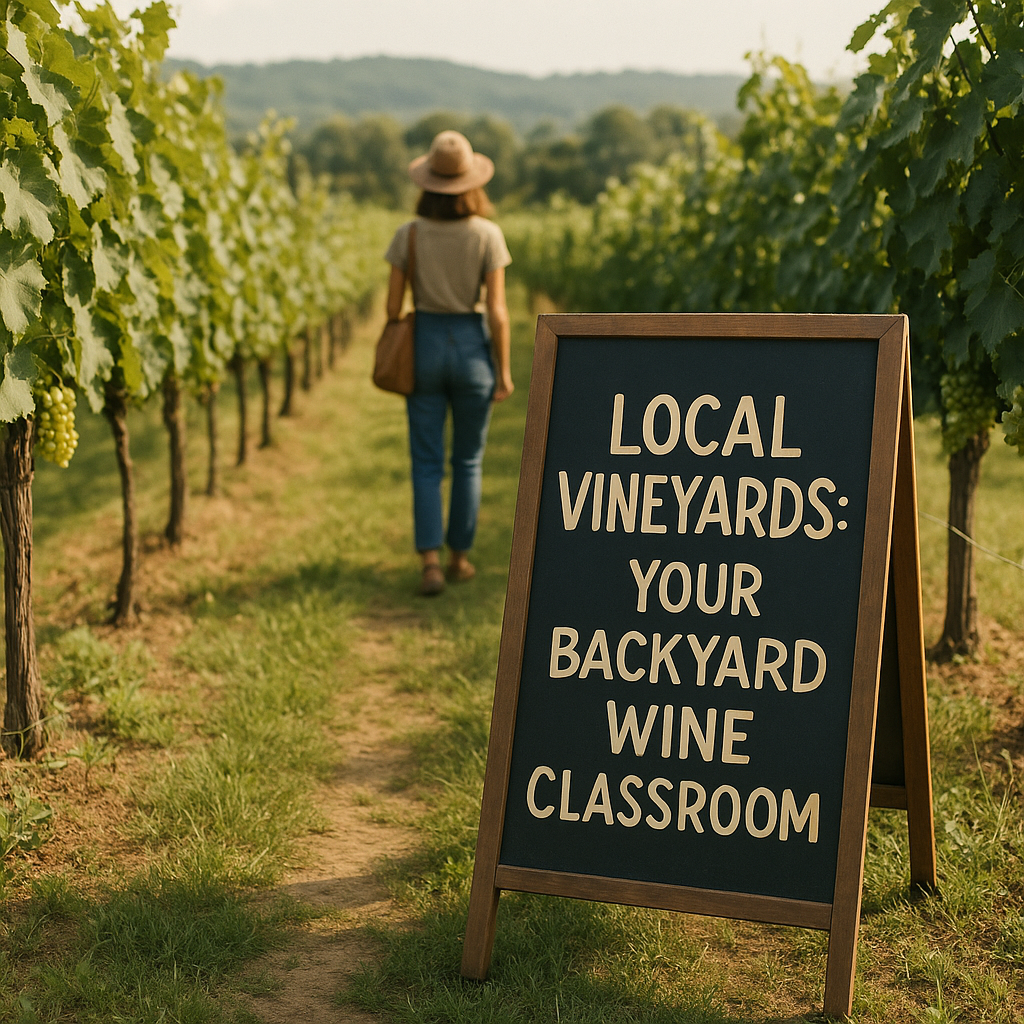
For the wrong reasons, I began haunting wineries. My wife and I just wanted a nice afternoon — a picnic table, a decent view, possibly a bottle we’d regret paying for. Took me three or four outings before the penny dropped. The tasting room wasn’t a bar. It was a classroom wearing a bar’s clothes. And what it taught me has quietly changed how every bottle I’ve bought since actually tastes.
No sommelier certification required. Odds are there’s a vineyard within sixty minutes of your driveway. Across the US, outside the celebrity regions, thousands of them are cranking out wine — 9,000-plus by most tallies, with serious growth in Virginia, Michigan, Texas, and New York’s Finger Lakes. Treat those spots like a place to learn, not just a prettier pub with a cork pull.
The cheapest wine education on earth: fifteen bucks, forty-five minutes
Five or six pours usually run you $10 to $20. Plenty of spots knock that off the bill if you snag a bottle. Compare that to a wine class downtown — no contest. And there’s one thing no classroom can replicate: sipping the wine while standing on the dirt that made it.
Old World tasting notes love to drone about terroir. Then you’re up on a ridge in Loudoun County, wind coming off a gravel slope, Cabernet Franc in your glass grown right there — and suddenly you get it. Oh. That’s what they meant. The rocks. The drainage. The afternoon heat shoving ripeness into a tiny thick-skinned berry. You taste it because you’re standing in the middle of it. No lecture pulls that off.
Off-season is the move. Honestly? Always off-season.
September and October draw everyone. Foliage at peak, wineries packed shoulder to shoulder. Fair enough. But roll up in late February through April, before bud break, and the tasting room is basically yours. The person pouring has time. Real time. To talk.
That’s where you pick up your first genuine skill: asking sharp questions.
Not “what’s your best wine?” Everybody points you at the Merlot, because that’s what’s stacking up in the back. (Half-kidding. Loads of wineries will happily pour their Reserve Cab Franc. But the cynic in me still loves that joke.) Try questions that actually make the pourer pause:
- How many cases of this do you produce?
- French oak or American, and how long did it sit?
- All estate fruit, or do you source some?
- When was the first planting here?
- Are you part of any state winery associations?
That cooperage question earns its keep. A Chardonnay rested ten months in 30% new American oak? Vanilla and marshmallow on the nose. Six months in neutral French barrels? Leaner. More citrus. You’ll start catching it before you flip the bottle around — and it never gets old.
How to run a tasting without embarrassing yourself
No dress code. No shame in matching Cabernet Sauvignon with the ploughman’s tin or some roasted parsnips. Though honestly, grabbing a bottle of rosé for the road instead of lunch is a perfectly valid move.
Leave the bread at home.
A few things I’ve learned:
Don’t make your picks until the whole flight’s done. Early on, I’d sample whatever the other tables had ordered. Total rookie move — it wrecks your palate for the actual lineup. Just follow the order they pour. Take the first one as it comes, stay low on the list afterward.
Water. Constantly. Sip between pours, not just at the end. And eat something on the way — an empty stomach turns a pleasant flight into a four-glass nap in the parking lot.
Some of this stuff sticks with you. The smells especially: wet stone, barnyard in a good way, the sharp line between a warm-vintage red and a cool one. None of that came from a book for me. It came from a stranger behind a counter with time on their hands, pouring something they were proud of, in a room that smelled like oak and rain.