
Okay, let’s be real for a second. I love wine. But I also love not breaking the bank and, you know, eating dinner. For the longest time, I fell into this trap where I thought every bottle had to be some fancy, $40 import from a region I can’t pronounce. Then I’d be scared to open it on a Tuesday night with leftover pasta. It’s ridiculous.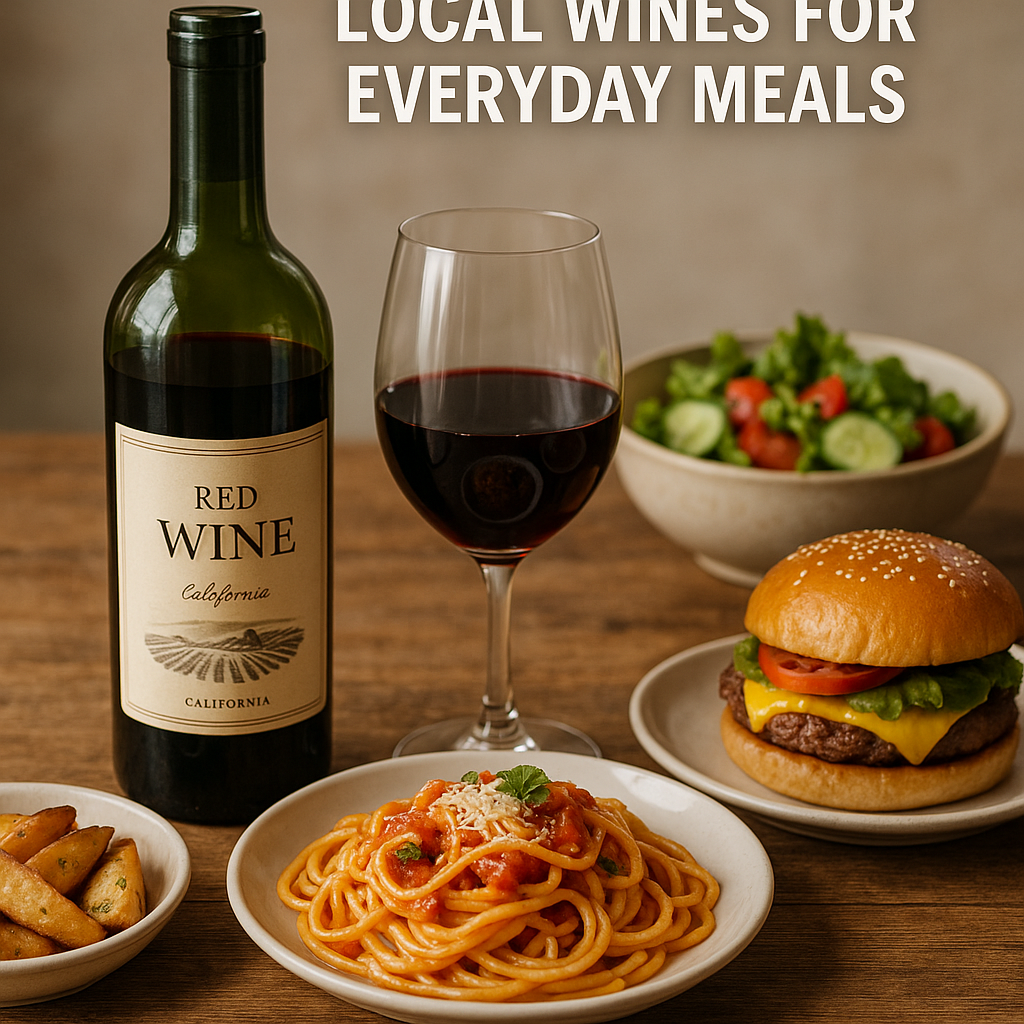
So, I started this little experiment with myself. What if I just… shopped local? What if I grabbed a bottle of whatever was grown and made within a few hours of my house? Honestly? It was a game changer. Not just for my wallet, but for how I actually eat and drink.
My whole philosophy now is “don’t overthink it.” You shouldn’t need a sommelier to tell you what to drink with your pizza. You just need a little common sense and a willingness to try something new. And honestly, local wines are perfect for that. They’re made for the food of the region. It’s like they’re meant to be together.
Think about it. A winery in a cooler climate is making wines that are naturally higher in acid, right? Those are gonna be killer with a creamy chicken dish or even some fried fish. A warmer climate place is all about big, jammy reds—which are just begging to be paired with a grilled burger. It just makes sense. No snobbery involved.
Like, last week. It was Wednesday. I was beat. I made the easiest quesadillas in the world—just black beans, some cheese, and whatever hot sauce I could find. I wasn’t gonna open anything fancy.
But I had this dry Riesling from a local vineyard I’d picked up over the weekend. It was like $18. And let me tell you, the slight sweetness? It cut through the spice of the hot sauce perfectly. It was a moment. My fiancé was like, “Who are you and what did you do with the guy who only drinks Cabernet?” Haha. It was that good. So good, in fact, that I’m going to grab a few bottles this weekend if I can.
Look, I’m not saying you have to nerd out on pH levels and brix readings. But paying attention to where the wine is from is a cheat code. It’s the easiest way to get a wine that works.
Okay so here are a few of my “cheat codes” for everyday pairings. Some are probably obvious, but it’s the stuff I always fall back on:
-
Fizzy stuff (Local Sparkling, Pet-Nat, or even a dry Cider): This is the ultimate food wine. The bubbles and the acid just scrub your palate clean. It’s perfect for anything fried, salty, or cheesy. Seriously, it’s a no-brainer for pizza, popcorn, or a charcuterie board with some funky local cheeses. The high acid is like a little reset button for your taste buds.
-
Crisp Whites (Sauvignon Blanc, Albariño, or dry Riesling): These are your go-to for lighter meals. Think salads with goat cheese, veggie stir-fries, or a simple herb-roasted chicken. The zippy acidity just makes you want another bite. It’s that clean, refreshing feeling that makes everything taste fresher. Got some locally caught trout? This is your wine.
-
Rosé: I used to think rosé was just a summer pool drink. I was so wrong. A dry, local rosé is a powerhouse. It has the body of a light red and the freshness of a white. It can handle grilled salmon, tomato-based pastas, even a turkey burger. It’s the “I don’t know what to get, so I’ll grab this” bottle that never lets you down. Seriously, it’s the ultimate bridger.
-
Light Reds (Pinot Noir, Gamay, or a local red blend): These are perfect for what I call “transitional” meals. You know, when it’s getting cooler and you want something cozy, but it’s not full-on stew weather yet. They’re great with grilled chicken, mushroom dishes, or a simple roast pork tenderloin. Earthy, fruity, and just enough structure. Plus they’re usually a bit lighter on alcohol so you don’t get knocked out on a weeknight.
-
Big Reds (Cabernet Sauvignon, Syrah, or Zinfandel): For the heavy hitters. Anything that’s been on the grill with a nice char, a braised short rib, or a really sharp, aged cheddar. The tannins in these wines need the fat and protein to soften them up. It’s a chemical reaction that makes both the wine and the food taste better. Grilled steak, smoky barbecue, bolognese, you get the idea. There’s a reason these pairings are classic.
But here’s the thing I’ve learned that’s way more important than the type of grape: just go talk to the people at your local winery or wine shop. Seriously. They are the real experts.
I remember one time I was staring blankly at a wall of bottles, totally lost. The woman working there asked what I was having for dinner. I said I was making a spicy Thai curry. She steered me away from the Riesling I was eyeballing and handed me a bottle of a local Gewürztraminer. I was skeptical, like “Gewürzt… what?” but she was so right. The floral notes and the hint of spice… it was like they were made for each other. It was a lightbulb moment, ngl.
That’s the whole point, isn’t it? It’s not about what’s “supposed” to go together. It’s about what makes your dinner taste better, and what makes you happy. That’s the only rule that really matters.
The best local pairings are the ones you discover on a random Tuesday night. It’s about experimenting, messing up (I’ve had a few clunkers, no doubt), and finding those little wins that make a regular dinner feel kinda special. It’s not about being a snob, it’s about making your life a little more delicious. Cheers to that, right?